
Olympic and cultural Milan: unmissable exhibitions featuring Kiefer, Mapplethorpe and Triennale
From the Cultural Olympics to major exhibitions at Palazzo Reale and Triennale, three projects not to be missed in Milan's most ambitious city ever
Milan has never been so shamelessly (and Olympically) ambitious. While the ‘sports circus’ counts medals and controversies over traffic, delayed works, and the ICE, the ‘Cultural Olympics’ (perhaps a better name than the one invented by the municipality could have been found) flexes its muscles. The programme of exhibitions in the city, in institutional spaces, foundations and galleries, is extremely dense: here are a few notes on three exhibition projects that, for different reasons, are not to be missed.
The unmissable
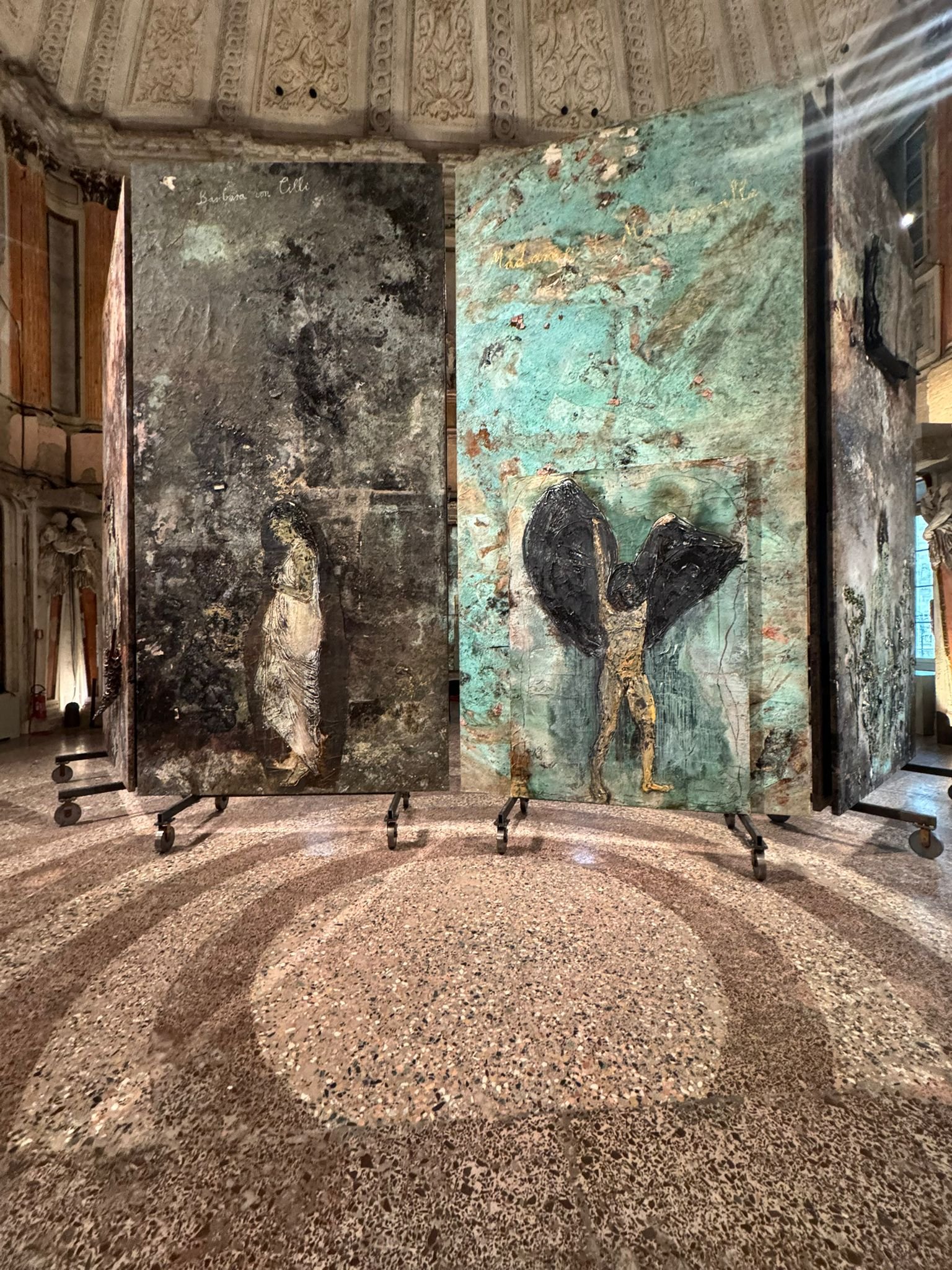
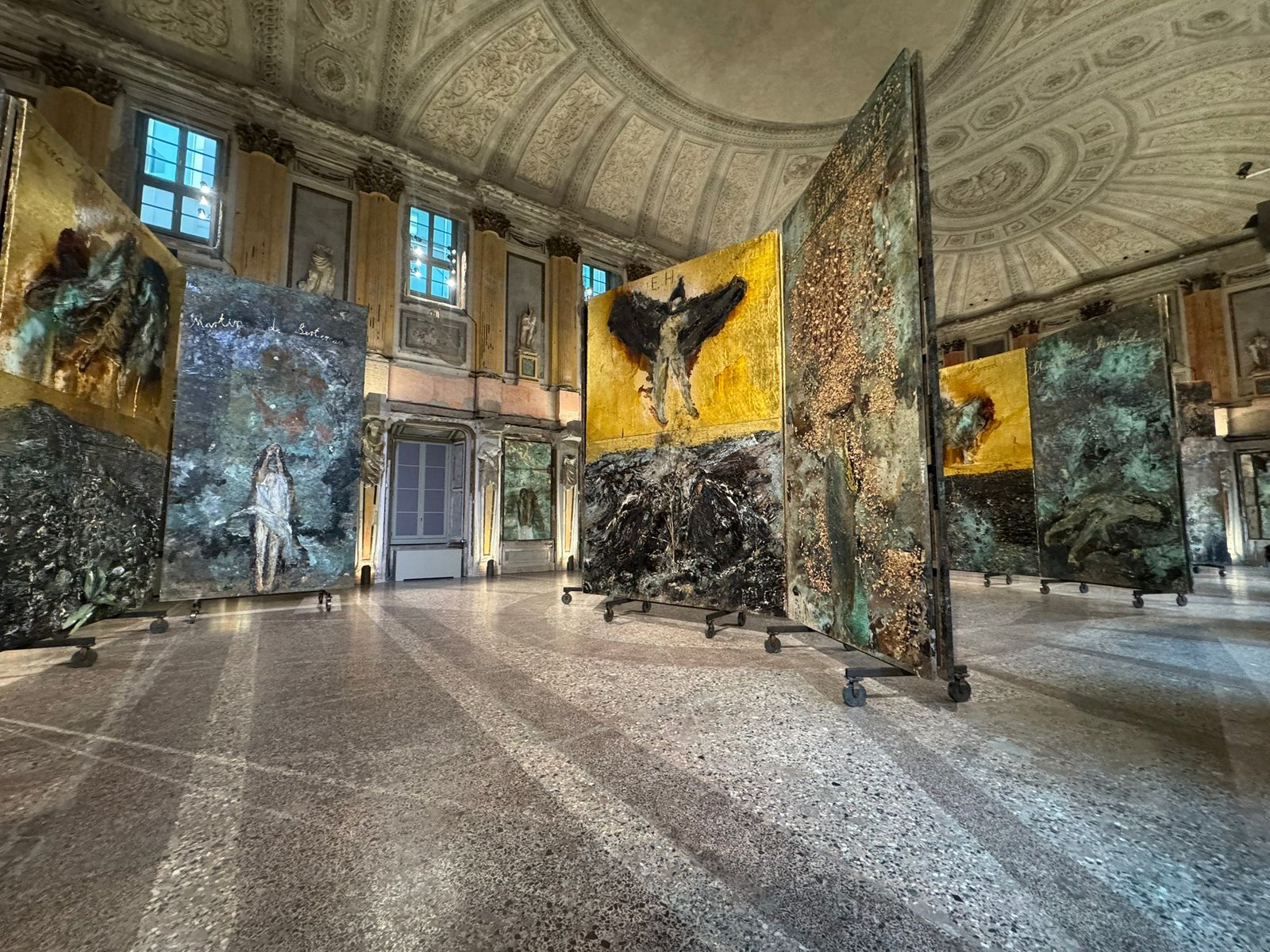

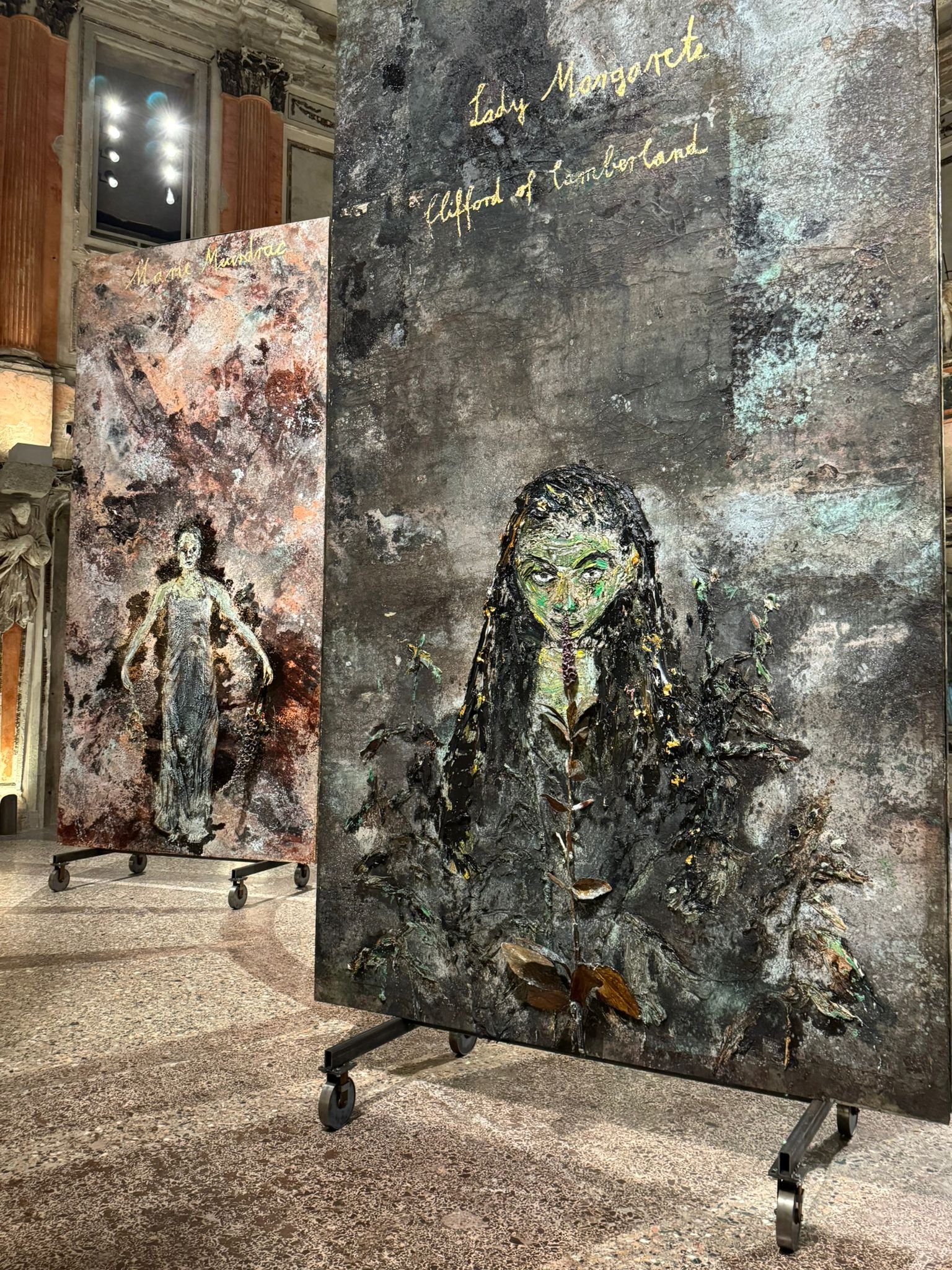
It is, of course, the German genius Anselm Kiefer who, with Le Alchimiste, occupies the Sala delle Cariatidi in Palazzo Reale (until 27 September: it lasts quite a long time) with a unique installation of poignant beauty. In a space marked by the scars of the 1943 bombings — a shell of splendour and ruin that perfectly reflects the master's poetics — Kiefer does not paint, but digs. In a monumental cycle of 42 canvases, he stages an act of resurrection for all those women whom “official” history has preferred to forget or, worse, bury under the label of witchcraft. Kiefer's alchemists are women who dared to practise science when it was not permitted to them; they are creatures of the past who were not content with the role imposed on them by society but sought their own philosopher's stone (and one of the first works in the room is dedicated to the mythological stone). Kiefer, like very few before him (perhaps Picasso, when he exhibited Guernica in 1953), seems to have found in the Hall of Caryatids a perfect studio for his dense painting: he gives us a female pantheon where figures such as Caterina Sforza — a scientist and military leader who wrote about alchemy in Milan at the end of the 15th century — dialogue with almost unknown names such as Marie Meudrac. These alchemists emerge from the symbolic matter of the canvases like ghostly apparitions, scientists ahead of their time who sought the truth by manipulating stills and furnaces.
The installation, designed as a “leporello” (those old accordion-style books), is meant to be walked around, zigzagging, with your nose in the air. The 80-year-old Kiefer throws the creative and redemptive power of women (and his own, let's face it: he is the best living artist) in our faces, reminding us that behind every advance there is often a hidden female intelligence. It is a fierce tribute, a clash between history and memory that came about thanks to the intuition of Gabriella Belli and the support of Lia Rumma and Gagosian.
THE UNSPEAKABLE

Robert Mapplethorpe, Palazzo Reale, ©Andrea Avezzu

Robert Mapplethorpe, Palazzo Reale, ©Andrea Avezzu
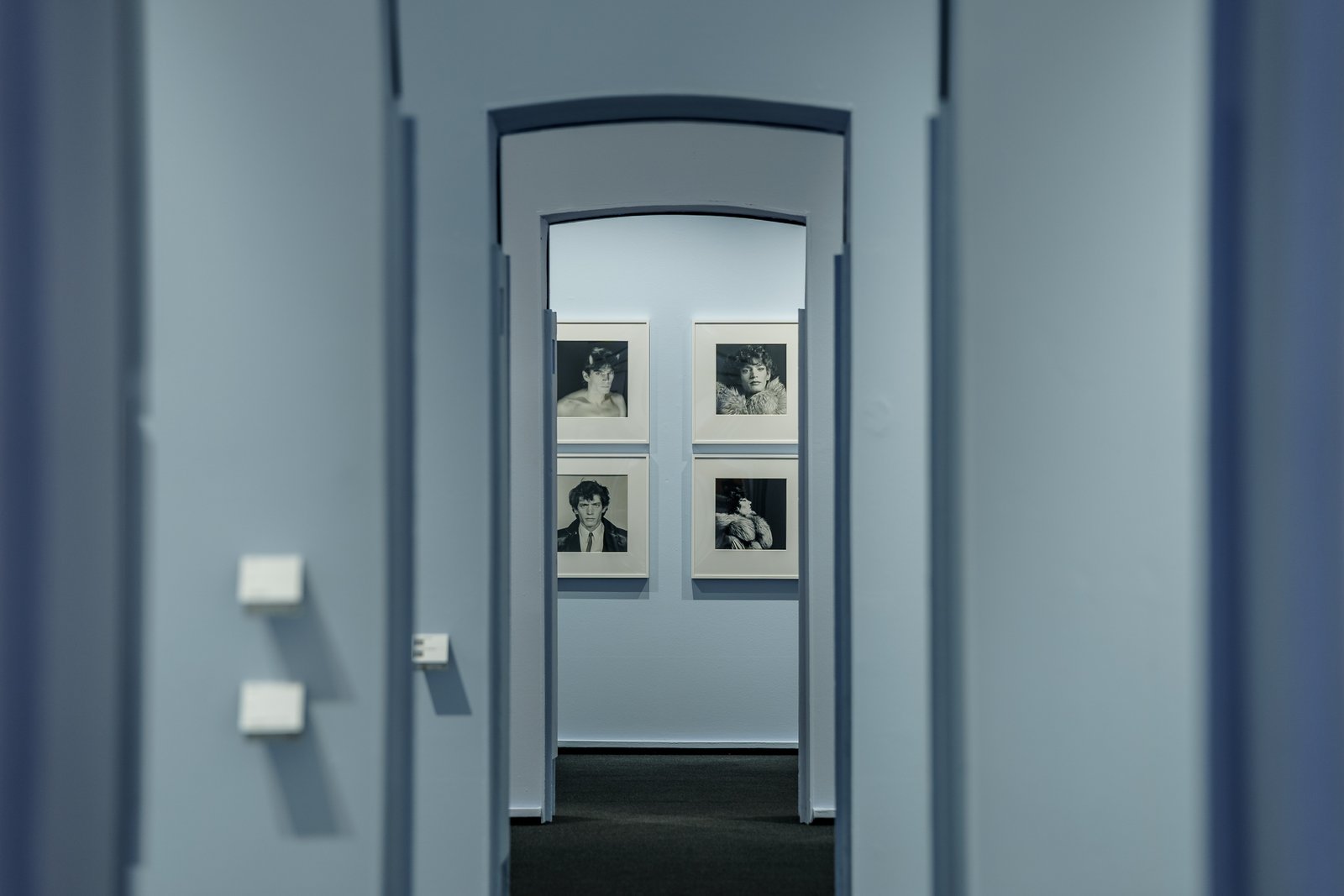
Robert Mapplethorpe, Palazzo Reale, ©Andrea Avezzu
And if Kiefer works with boiling matter, Robert Mapplethorpe responds with the marble-like coldness of formal perfection. Also at Palazzo Reale, the retrospective Le forme del desiderio (The Forms of Desire) lays bare the entire career of the famous American photographer (1946-1989). With over 200 works, the exhibition curated by Denis Curti reminds us that for Mapplethorpe, the body is never just flesh: it is a sculptural surface, a political and identity battlefield. Forget provocation for its own sake: here we are talking about an almost obsessive aesthetic rigour. The exhibition is a crescendo: from the first experimental collages to the self-portraits marked by illness (never accepted, always hidden). In one of the most beautiful rooms, we see the deep complicity with his lifelong muse, the legendary Patti Smith, and the androgynous beauty of Lisa Lyon, portrayed with a neoclassical aesthetic that defies all gender conventions. The surgical precision of his Hasselblad even transforms flowers — calla lilies, orchids, tulips — into objects charged with implicit sexuality. This Milanese stage of the exhibition (which will also go to the Ara Pacis in Rome at the end of May) perhaps only sins in its staging, which would have deserved more airy spaces so as not to “blind” the shots with the reflections of the spotlights.
WHAT YOU DON'T EXPECT

Casa Italia Milano Cortina 2026, installation view MUSA, Triennale Milano, ph.Pietro Savorelli (c) CONI

Casa Italia Milano Cortina 2026, installation view Musa Triennale Milano, ph. Pietro Savorelli (c)coni

Casa Italia Milano Cortina 2026 installation view Musa Triennale Milano, ph. Pietro Savorelli (c)coni

Casa Italia Milano Cortina 2026, installation view Musa Triennale Milano, ph. Pietro Savorelli (c) coni

Casa Italia Milano Cortina 2026, installation view Musa Triennale Milano, ph. Pietro Savorelli (c) coni
Finally, for those looking for a different experience, there is Casa Italia at the Triennale. For the first time, the CONI space is not reserved for athletes alone, but opens its doors to everyone. Under the theme “Musa”, over one hundred works portray Italy as a source of inspiration for creatives from all over the world. The exhibition is an unexpected exploration, featuring some big names: from Mario Merz's Igloo in the garden to Ai Weiwei's LEGO painting, Cy Twombly's drawings and even a work by Keith Haring recovered from the historic Fiorucci store in the Galleria (which will bring back memories for those who were there...). It is a continuous short circuit between disciplines: from the design of Edra and Flos to the photographic reflections of Laura Pugno and Stefano Cerio on the retreat of glaciers, a theme that in a winter Olympic context sounds like a necessary warning. The only flaw? It only lasts until 22 February: it is a pity that the period has not been extended, given the effort that has gone into the exhibition.
Cover image: Casa Italia Milano Cortina 2026, installation view MUSA, Triennale Milano, ph. Pietro Savorelli (c) CONI
Milanese, professional journalist, mother of two spirited teenage daughters, she loves to tell the 'glass half full' side of life—without ignoring any sediment at the bottom. For the past fifteen years, she has passionately covered cultural news, both Italian and international, and writes interviews for some of the leading Italian publications. A long-time contemporary art enthusiast, she’s also a hyper-organized travel addict. Lately, she has traded running for Pilates.


